


 Post by Jamsheed Pavri
Scaler handpieces are one of those tools in dentistry that don’t always get the spotlight – but honestly, they’re doing all the heavy lifting during dental cleanings. Whether you're doing a routine scale and polish or a deep periodontal clean, without a reliable scaler handpiece, the job becomes way harder than it should be.
In this guide, we're going to break down what scaler handpieces are, why they matter so much in a dental setup, how to choose the right one, and some common questions that dental professionals usually ask. We’ll keep it real, useful, and easy to follow, with no complicated terms unless they’re needed.
What Is a Scaler Handpiece?
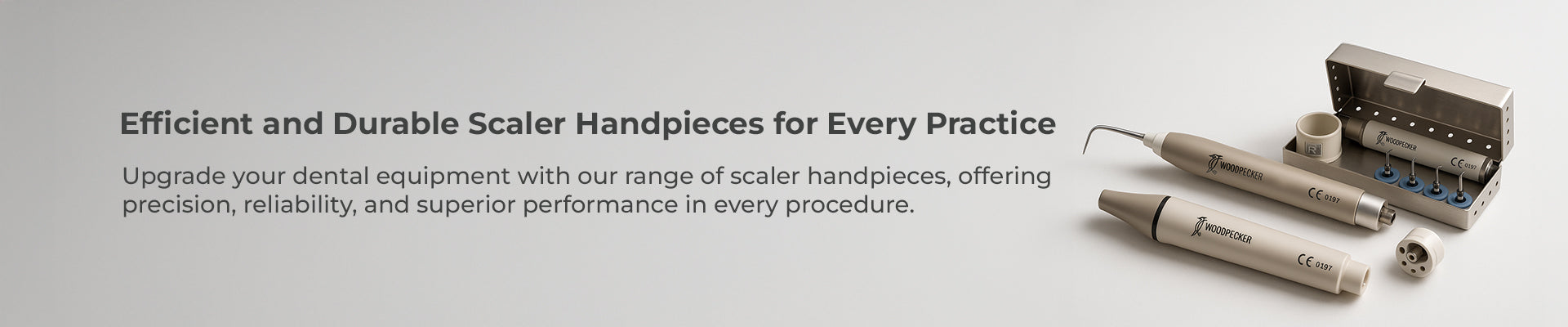
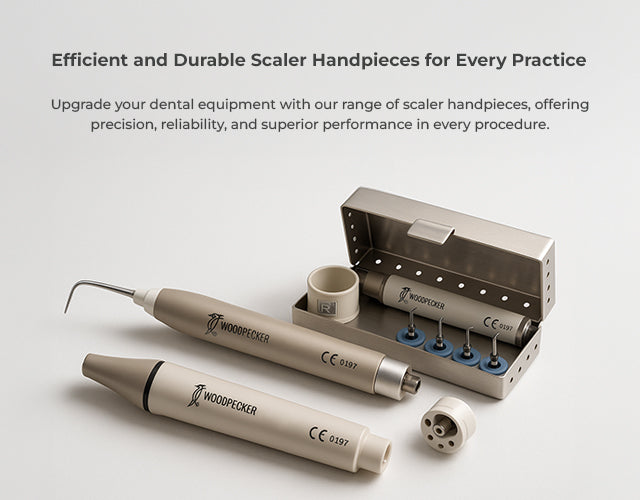
A scaler handpiece is the part of an ultrasonic scaler unit that holds the tip and creates vibrations to remove plaque, tartar, and stains from the teeth. It basically powers the scaler tip by converting energy from the main unit into mechanical movement. Without the handpiece, the scaler tip can’t really do anything on its own.
So if you think of the scaler tip as the "blade", the handpiece is the "engine”, both work together to deliver effective, fast and safe teeth cleaning.
Why Are Scaler Handpieces So Important?
Most people don’t realise it, but having the right handpiece can make a big difference in how effective your scaling procedure is. Here’s why it matters:
-
Comfortable Handling - A handpiece that’s lightweight and ergonomic helps reduce fatigue for the clinician. This matters a lot during longer procedures.
-
Better Vibration Transfer - A good-quality handpiece ensures that ultrasonic vibrations are delivered consistently to the tip, which means better cleaning results.
-
Less Noise & Heat - Cheaper or older handpieces may cause more vibration or heating, which can affect patient comfort.
If your scaler handpiece is worn out or not a good fit, you are likely working harder than necessary.
Types of Scaler Handpieces
Piezoelectric Scaler Handpieces
These are more popular in the UK and EU. They use piezo crystals inside the handpiece, which vibrate when an electric current is applied, generating a linear motion at the tip.
- Quieter and more precise.
- Produce less heat.
- Often slimmer and more ergonomic.
Just remember, piezo handpieces are NOT interchangeable. Make sure to check your scaler unit type before buying.
What to Look for When Buying a Scaler Handpiece?
Buying the right scaler handpiece isn’t just about price. There are a few things you should look for:
- Compatibility - Always match the handpiece with your existing unit (brand and type).
- Autoclavable - Make sure it can be sterilised properly without damage.
- Grip & Weight - Lightweight, balanced handpieces are easier to work with.
- Durability - Look for handpieces made of strong, medical-grade materials.
Also, try to buy from trusted suppliers who offer a warranty or after-sales support. It’s a tool you’ll use daily, so don't go cheap if you can avoid it.
How Long Does a Scaler Handpiece Last?
Most scaler handpieces last anywhere from 1 to 2 years, depending on how often you use them and how well you maintain them. If you're in a busy clinic, you might notice signs of wear faster.
Here’s when you should consider replacing your handpiece:
- It gets hot quickly.
- Vibrations are weak or uneven.
- There’s a leakage from the connection.
- It’s making weird noises during use.
These signs usually mean the internal components are worn or damaged.
How to Maintain Your Scaler Handpiece
Maintenance isn’t hard, but it’s important. Here are some basic care tips:
- Always rinse it after use. Even if you think it’s clean, bio-debris can stay inside.
- Use the correct autoclaving settings. Overheating can damage the handpiece.
- Avoid dropping it. Even one drop can mess up the inner mechanics.
- Store it properly. Use a tip holder or case to prevent physical damage.
Doing these small things regularly helps increase lifespan and performance.


Leave a comment